The Middle Corridor: Bottlenecks, Gaps, and Immediate Priorities
Executive Summary The Middle Corridor is gaining strategic relevance, but its operational limitations remain significant. Without coordinated infrastructure investment and regulatory alignment, its potential will remain constrained. This brief outlines the most immediate bottlenecks and actionable priorities.

POLICY BRIEF 1
Key Issues
1. Infrastructure Fragmentation
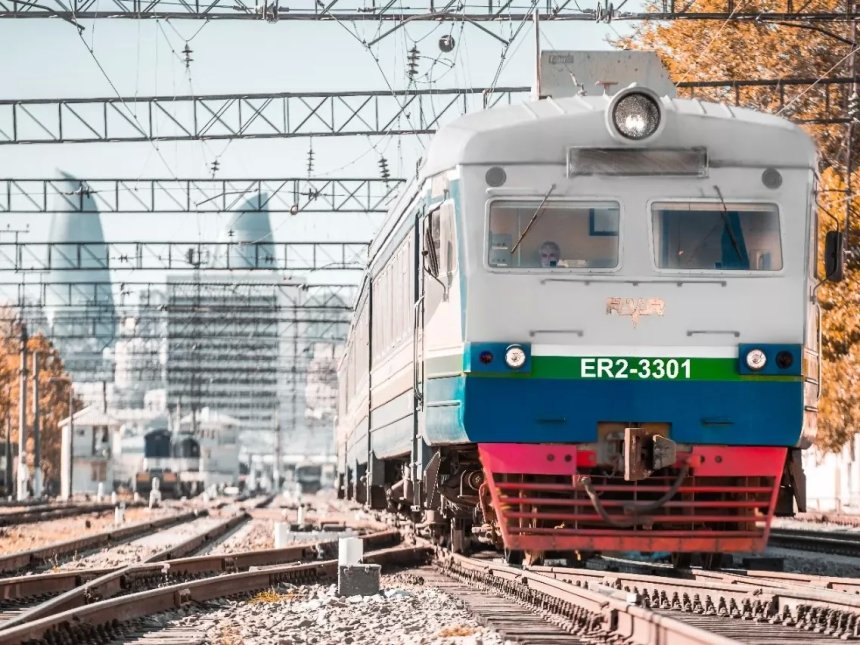
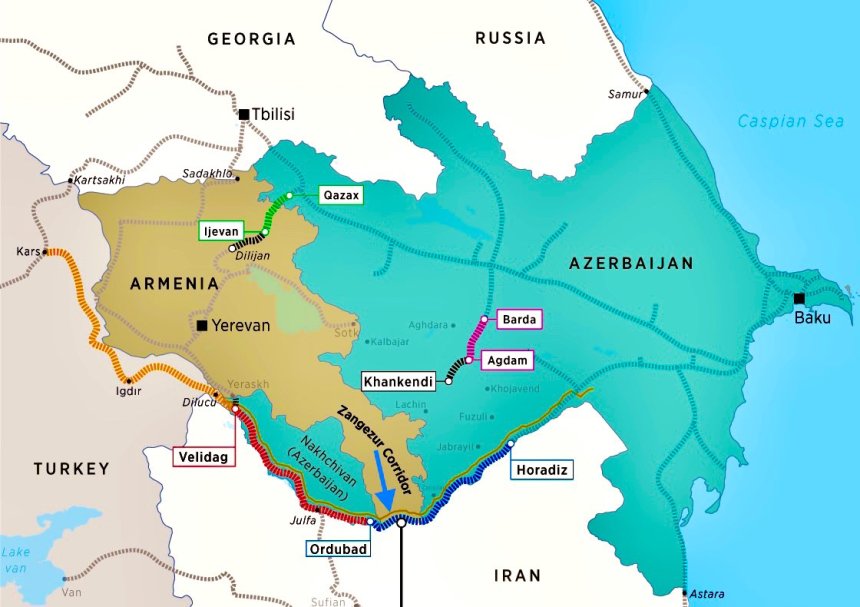
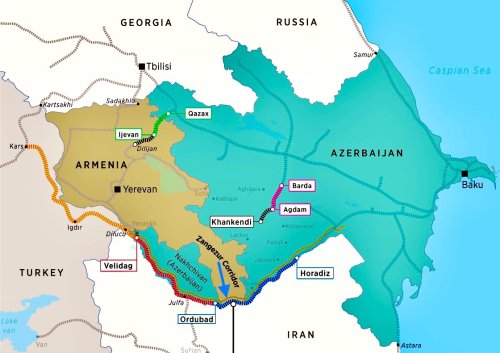
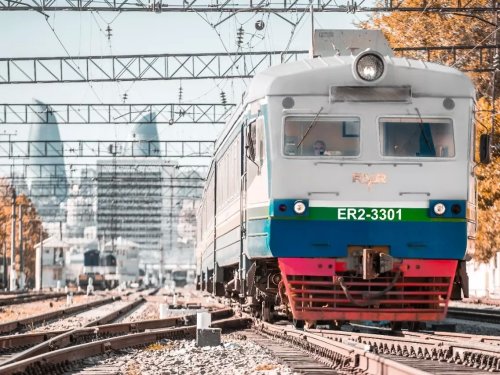
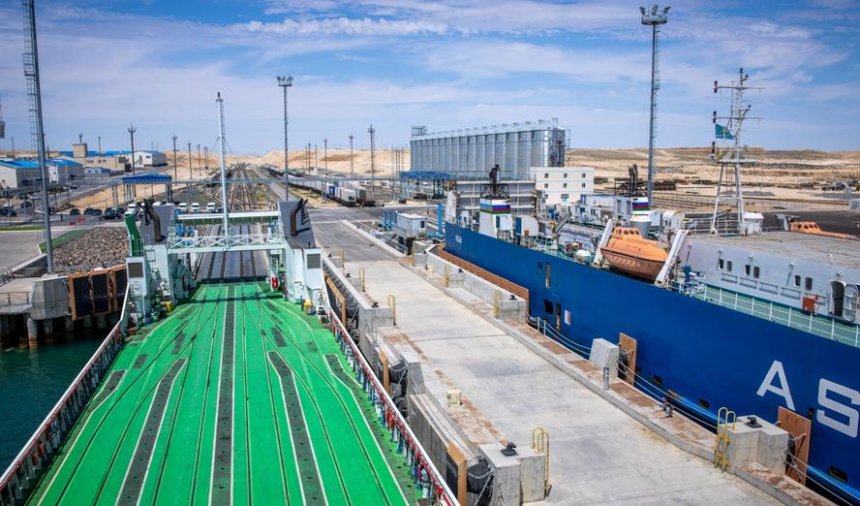
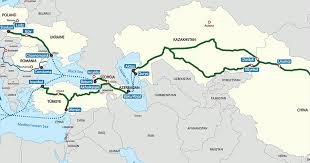
Rail systems across Central Asia and the South Caucasus lack full integration. Port capacity on the Caspian remains uneven, and logistics hubs are not yet optimized for high-volume throughput.
Short version… the corridor exists, but not as a seamless system.
2. Caspian Sea Constraints
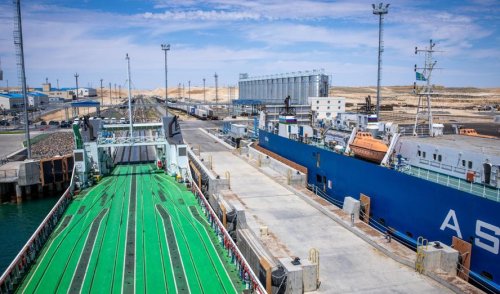
Transit across the Caspian introduces delays, scheduling uncertainty, and dependency on maritime coordination. Weather, fleet limitations, and port congestion all play a role.
This is not just a geographic challenge. It’s a structural one.
3. Customs and Regulatory Misalignment
Each country along the corridor operates under different customs regimes. Documentation, inspections, and transit procedures vary, slowing down movement and increasing costs.
Efficiency is not just about infrastructure. It’s about policy alignment.
Immediate Policy Recommendations
- Establish unified digital customs platforms across corridor states
- Invest in port expansion and fleet modernization in the Caspian
- Develop joint transit agreements to reduce border delays
- Create a multilateral coordination body for corridor governance
Conclusion
The Middle Corridor does not need reinvention. It needs synchronization.
POLICY BRIEF 2
Title:
Strategic Leverage: How Transit States Gain Power in the Middle Corridor
Executive Summary
Transit geography is transforming into strategic leverage. States positioned along the Middle Corridor are no longer passive conduits but emerging power brokers in Eurasian trade.
Core Insight
Control over routes is not the same as ownership of goods.
But in geopolitics, access often matters more than possession.
Key Actors
- Azerbaijan → Caspian gateway
- Turkey → European access point
- Central Asia → connective backbone
Strategic Implications
1. Transit as Leverage
States can influence pricing, access, and political conditions tied to trade flows.
2. Shift in Regional Hierarchies
Previously peripheral states are gaining strategic relevance.
3. New Diplomacy Models
Infrastructure diplomacy is becoming as important as military or economic diplomacy.
Risks
- Over-politicization of transit routes
- Vulnerability to regional instability
- Competing corridor strategies
Conclusion
The Middle Corridor is not just moving goods. It is redistributing influence.
The Map Is Changing. Quietly.
There’s something subtle happening across Eurasia. Not dramatic enough to dominate headlines, not sudden enough to feel like a rupture… but steady.
Routes that once felt permanent are being reconsidered.
For a long time, trade moved in predictable directions. Northbound. Structured. Familiar. It created a kind of invisible confidence, the assumption that systems would continue simply because they always had.
But that assumption is weakening.
Sanctions, political friction, shifting alliances… they don’t just disrupt. They force imagination. They push states to ask uncomfortable questions about dependency, about exposure, about what happens when the system you rely on is no longer neutral.
And that’s where the Middle Corridor enters the picture.
Not as a perfect alternative. It isn’t. It’s slower in places, fragmented in others, sometimes inefficient in ways that frustrate planners and investors alike. But it exists.
And existence, in a moment like this, is enough to start changing behavior.
You can see it in small signals. Investments that would not have been made five years ago. Conversations that sound tentative, but persistent. Agreements that don’t yet look historic, but feel like the beginning of something.
The map isn’t being redrawn in bold strokes.
It’s being adjusted… almost carefully.
And those adjustments, over time, tend to matter more than dramatic shifts.
Share
What's Your Reaction?
 Like
0
Like
0
 Dislike
0
Dislike
0
 Love
0
Love
0
 Funny
0
Funny
0
 Angry
0
Angry
0
 Sad
0
Sad
0
 Wow
0
Wow
0